Douglas DC-3 Design: A Boutique Embroidery Review
As an embroidery designer constantly curating collections for small boutique brands, I approach every new machine embroidery design with a critical eye. It is not enough for a digitized file to simply stitch out correctly on a test square; it must translate into a sellable, wearable garment that resonates with customers. When evaluating the Douglas DC-3 Design for an upcoming premium sweatshirt drop, my focus shifts from technical specs to aesthetic viability and commercial appeal. This review breaks down how this specific embroidery file performs in a real-world production environment, specifically for apparel decorators and creative entrepreneurs looking to elevate their inventory.
First Impressions and Redwork Aesthetics
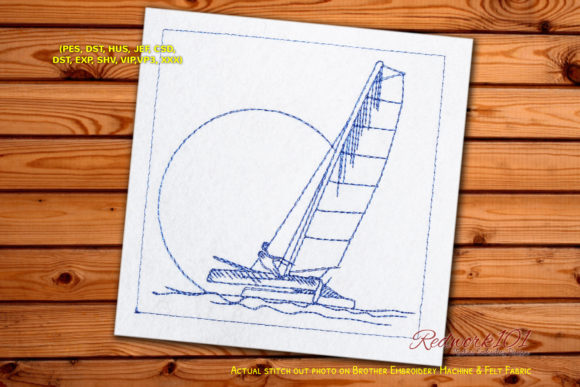
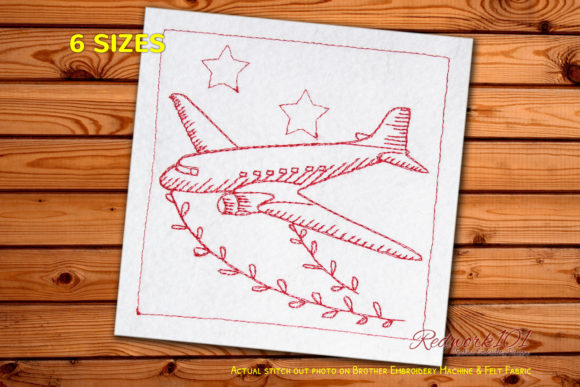
The Douglas DC-3 Design immediately strikes a balance between vintage nostalgia and clean, modern minimalism. As a redwork style, it relies on line work rather than heavy fill stitches, which is a significant advantage for sweatshirt embroidery. Heavy designs can cause fabric puckering or create a "bulletproof vest" effect on cozy fleece, but this design maintains the drape and softness of the garment. The mood is distinctly retro-aviation, evoking a sense of timeless travel without feeling like a costume piece. For a boutique brand, this subtlety is key. It reads as a thoughtful, curated graphic rather than generic clip art.
A standout feature noted in the product details is the optional Box Stitch. From a design perspective, this modularity is brilliant. For a minimalist chest placement on a pastel hoodie, I would likely omit the box entirely to let the aircraft float freely, creating a softer, more feminine or casual silhouette. However, for a bold back print on a dark neutral sweatshirt, engaging the box stitch adds structure and frames the illustration, giving it a badge-like authority. This flexibility allows one digital embroidery file to serve multiple SKUs within the same collection, maximizing the value of your design assets.
Fabric Pairings and Color Strategy
When planning a limited drop, fabric texture and color are just as important as the digitizing itself. The Douglas DC-3 Design adapts surprisingly well across different palettes, provided you manage your thread colors intentionally.
- Neutral Sweatshirts: On oatmeal, sand, or cream French terry, a high-contrast thread like charcoal, navy, or brick red creates a sophisticated, rustic vibe. The redwork style shines here because the negative space of the fabric becomes part of the art.
- Dark Fabrics: Black or chocolate hoodies require careful consideration. Since redwork is typically single-thread, ensure the contrast is stark enough. A metallic gold or bright white thread against black fleece transforms the design into something luxurious and evening-appropriate.
- Pastel Colors: For spring collections, pairing this aviation theme with sage green or dusty rose softens the industrial subject matter. This combination appeals to buyers who love transportation history but prefer a gentle, handmade aesthetic.
- Oversized Hoodies: The scale of the Douglas DC-3 Design works beautifully on oversized silhouettes. Because the lines are deliberate, they do not get lost in the excess fabric of a dropped-shoulder garment.
Remember that the outer box color is often different in the preview unless integrated into the design itself. Always verify your thread colors before running production to ensure the framing complements your specific garment dye lot.
Technical Considerations for Commercial Apparel
For Etsy sellers and shop owners, a pretty design is useless if it ruins garments during washing. While I cannot verify the exact stitch density or hoop size without testing the specific file, redwork generally presents unique challenges and benefits for commercial embroidery.
Stabilizer and Fabric Thickness
Sweatshirt fleece is unstable by nature. Even with a lighter redwork design, you must use appropriate stabilization to prevent registration issues where the outline drifts from the detail. I recommend a medium-weight cutaway stabilizer for permanent support, especially if you are using the optional box stitch which adds perimeter tension. If you are working with a lightweight summer sweatshirt, consider a tear-away to avoid adding unnecessary stiffness, but always test on a scrap of the actual production fabric first. The fabric texture of premium cotton blends can sometimes swallow fine lines, so verifying readability at your intended size is non-negotiable.
Durability and Washability
Boutique customers expect longevity. Redwork consists of running stitches or satin columns that can be vulnerable to abrasion. When evaluating the Douglas DC-3 Design for a finished product, check that the stitch length is appropriate for the garment's end use. Stitches that are too long may snag; stitches that are too short may perforate the knit. Assuming standard digitizing practices for apparel, this design should hold up well to home laundering, but advising customers to wash inside-out and air dry will preserve the crispness of the aviation lines and any optional box framing.
Merchandising and Brand Identity
Beyond the hoop, this design serves as a powerful tool for brand storytelling. Transportation themes often skew masculine or utilitarian, but the execution of the Douglas DC-3 Design allows for cross-demographic appeal. It fits seamlessly into "cottagecore meets aviator" niches, dad-style streetwear, or heritage workwear aesthetics.
For custom apparel listings, photography is everything. Because this is a line-art style, it photographs exceptionally well in flat lays and lifestyle shots. The lack of dense sheen means glare is rarely an issue in product photos, making your printable mockup creation process smoother. When listing on Etsy or your own site, highlight the optional nature of the box stitch. Showing both variations in your listing images demonstrates versatility and helps the buyer visualize the handmade product on their own body type and style preference.
Evaluating Value for Small Shops
Is the Douglas DC-3 Design worth adding to your commercial library? For a small shop product lineup, efficiency is profit. A design that requires minimal thread changes reduces machine downtime. Redwork is inherently fast to stitch out compared to full-fill illustrations, allowing you to increase throughput during peak seasons. Furthermore, the classic nature of the DC-3 aircraft ensures this isn't a trend-based purchase; it is an evergreen asset that can be re-released seasonally with different thread and garment combinations.
However, professional due diligence is required. Before purchasing or stitching out for sale, always confirm the specific hoop size requirements and licensing terms included with the embroidery file. Ensure the dimensions fit your preferred placement zones, such as left chest (typically 3x3 to 4x4) or center back. Verify if the designer includes multiple formats compatible with your specific machine brand to avoid conversion errors that could distort the delicate lines of the aircraft.
Final Designer Verdict
The Douglas DC-3 Design represents a strong contender for boutique sweatshirt collections. Its redwork construction respects the integrity of premium knit fabrics, while the optional box element provides necessary merchandising flexibility. It bridges the gap between niche transportation enthusiasm and accessible fashion, making it a viable choice for Etsy sellers and apparel decorators aiming for a polished, professional look. By paying close attention to stabilizer selection, thread contrast, and placement scaling, this design can transition from a digital file to a beloved wardrobe staple that drives customer trust and repeat engagement. Just remember to validate all technical specifications against your specific production setup to ensure the finished product meets the high standards your customers expect.