Feathers: A Designer Review for Business Merch
As an embroidery designer who specializes in commercial branding and merchandise production, I approach every new machine embroidery design with a critical eye toward production viability. When evaluating the "Feathers" design for small business applications, my primary focus shifts from pure aesthetics to functional versatility. This review analyzes how this specific motif performs when translated into branded assets like patches, uniforms, and retail goods. For shop owners and apparel decorators, understanding the technical and visual behavior of this design is essential before committing it to inventory.
Visual Personality and Brand Alignment
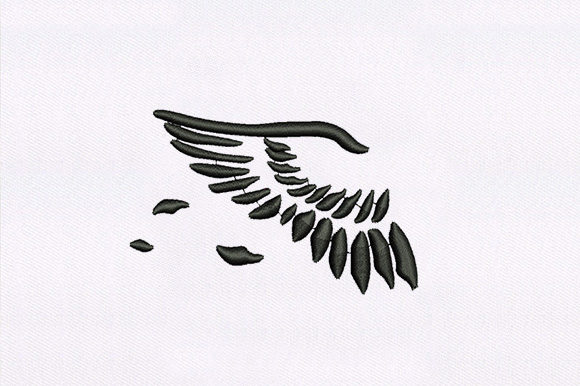
The first impression of Feathers is one of organic simplicity and approachable elegance. In the context of brand identity, this design avoids the overly complex or cartoonish aesthetic that can sometimes undermine professional perception. Instead, it offers a clean, stylized silhouette that reads well as a logo accent or standalone mark. The description notes it is "cool and simple," which translates technically to open spacing and manageable stitch density. This is a significant advantage for businesses targeting a modern, artisanal, or eco-conscious demographic.
For a boutique, florist, or creative studio, this design communicates a handmade, thoughtful vibe without looking amateur. It strikes a balance between decorative art and commercial utility. Unlike dense, realistic bird portraits that can feel heavy on lightweight fabrics, the Feathers concept suggests movement and lightness. This makes it particularly suitable for brands that want to convey freedom, creativity, or natural quality. However, because it leans toward a softer aesthetic, it may require bold thread colors or strategic placement to maintain authority in more corporate or industrial settings.
Commercial Applications for Small Business Merch
The true value of any digital embroidery file lies in its adaptability across different products. Based on the structural profile of Feathers, here is how it performs in real-world business scenarios:
- Embroidered Patches: This is perhaps the strongest use case. The linear nature of feathers allows for excellent border definition. Whether creating morale patches for staff or retail patches for customers, the design scales down effectively without losing clarity. It works exceptionally well as a merrowed edge patch due to its distinct outline.
- Apron Embroidery: For cafés, bakeries, and pet groomers, aprons are high-visibility branding real estate. Feathers serves as an ideal chest logo or pocket detail. Its vertical orientation complements the long lines of an apron bib, providing a flattering visual flow that horizontal logos sometimes lack.
- Tote Bag Design: Canvas totes are staples for Etsy sellers and market vendors. Because this design is described as suitable for unique apparel and decor, it likely possesses enough artistic merit to stand alone on a bag without needing additional text. It transforms a generic blank into a desirable handmade product.
- Cap Embroidery: Headwear presents unique challenges due to curvature. The streamlined shape of Feathers fits naturally within the limited vertical space of a cap front. It avoids the "boxy" look that occurs when square designs are forced onto curved surfaces.
- Staff Uniforms: As a sleeve cuff detail or nape-of-neck logo, this design adds a premium touch to workwear. It signals attention to detail, enhancing customer trust and perceived service quality.
Technical Considerations and Production Limits
While Feathers is versatile, no embroidery file is universal. Professional decorators must recognize where this design requires caution. The "simple" nature of the design implies fewer stitches, but this also means there is less margin for error in registration.
Fabric Texture and Stabilizer Selection
On textured fabrics like terry cloth towels or heavy canvas, fine details in feather barbs can get lost. You must use appropriate stabilizer strategies. A water-soluble topping is often necessary to prevent stitches from sinking into the pile. Conversely, on performance wear or thin knits, the design’s openness is beneficial as it reduces puckering, but you must ensure the backing provides enough stability to prevent distortion during hooping.
Size Reduction and Detail Integrity
Small business owners often want to maximize branding by shrinking logos. While Feathers is suitable for variety, test the minimum size threshold. If the design includes intricate internal shading or tiny connecting stitches, reducing it below 2 inches could cause thread breaks or poor coverage. Always verify the hoop size requirements and digitizing integrity at small scales before running a full production batch. What looks crisp on screen may become a muddy blob on a physical garment if pushed beyond its technical limits.
Color Contrast on Dark Uniforms
If your business uses black or navy uniforms, evaluate the contrast. Light-colored feathers pop beautifully against dark backgrounds, but mid-tone threads may disappear. Since the product description emphasizes suitability for various projects, assume you may need to adjust thread palettes. A white or metallic gold version of Feathers will read much faster and clearer on dark workwear than pastel variations.
Impact on Customer Perception and Value
In the competitive landscape of small business merch, visual consistency builds recognition. Using Feathers as a recurring motif across packaging, apparel, and gifts creates a cohesive brand language. Customers associate consistent imagery with professionalism. When a client receives a gift or purchases a product featuring this embroidery, the tactile quality of the stitches reinforces the value of the item.
Furthermore, this design supports the narrative of "amazing gifts for friends and family" mentioned in the product details. For businesses that sell personalized goods, offering Feathers as a customizable add-on increases average order value. It bridges the gap between standard commercial branding and personal sentimentality, making it easier for customers to justify purchasing branded items for personal use rather than just promotional giveaways.
Essential Pre-Production Checklist for Designers
Before loading this machine embroidery design for a client job or personal inventory, adhere to this professional workflow:
- Verify Licensing: Confirm the commercial embroidery rights. Just because a file is purchasable does not always mean it is cleared for resale on finished goods. Check the specific terms for this digital asset.
- Run a Black and White Test: Stitch out the design in a single color first. This reveals the underlying structure and registration issues that multi-color stitching might hide.
- Create a Printable Mockup: Before stitching on expensive blanks, generate a digital mockup to show clients. This manages expectations regarding size and placement relative to their existing design assets.
- Test on Target Fabric: Never assume a design behaves the same on denim as it does on polyester. The interaction between needle, thread, and fabric texture dictates the final quality.
- Inspect Spacing and Trims: Review the file for excessive jump stitches or trims. Efficient production requires minimizing machine stops. If the digitizer left unnecessary jumps in the feather shafts, edit them out to save time and improve durability.
- Compare Beside Other Assets: Ensure Feathers matches the weight and style of your current logo suite. Visual harmony is key for professional custom apparel.
Ultimately, Feathers represents a strong candidate for businesses seeking a blend of artistic charm and commercial functionality. Its success depends entirely on proper execution. By respecting the technical constraints of embroidered patch creation and fabric selection, small business owners can leverage this design to create merchandise that feels both premium and authentically connected to their brand story. Always prioritize testing over assumption, and let the quality of the finished product validate the design choice.